
SHORTNESS OF BREATH
Shortness of breath simply means you feel like you cannot get enough air.
The medical word for it is DYSPNEA.
You may feel like you cannot take a full breath or your chest feels tight, like being held in a vice or an elephant standing on your chest.
You may feel the need to breathe faster and your basic normal daily activity may leave you completely winded. You might be so hungry for air that you cannot even catch your breathe when lying down.
Shortness of breath can happen during hard exercise, at high altitude or after a sudden burst of activity, but it may also be caused by a problem involving the lungs, heart, blood, muscles, or nerves.
Its important to remember that shortness of breath is a SYMPTOM, it is not a DIAGNOSIS. So then the goal is to help you get your breath back of course, but the real goal is to find out why your breathing has become difficult in the first place.
What Does Shortness of Breath Feel Like?
“I cannot catch my breath.”
“I cannot get a deep breath.”
“My chest feels tight.”
“I feel winded after doing almost nothing.”
“I have to stop when I walk.”
“I feel like I am breathing through a straw.”
“I feel like I am suffocating.”
“I breathe fine when sitting, but not when moving.”
“I cannot breathe well when I lie flat.”
Some people also have:
Coughing.
Wheezing.
Chest pain or pressure.
A fast heartbeat.
Dizziness.
Fatigue.
Blue or gray lips.
Swelling in the legs or feet.
Fever.
Mucus or phlegm.
When Shortness of Breath Is an Emergency
Call 911 when shortness of breath:
Starts suddenly and is severe.
Makes it hard to speak in full sentences.
Comes with chest pain, pressure or squeezing.
Comes with fainting, confusion or severe weakness.
Comes with blue or gray lips, skin or fingertips.
Starts after choking or a serious allergic reaction.
Comes with swelling of the face, tongue or throat.
Begins after a major injury.
Comes with coughing up blood.
Feels like you are suffocating.
Shortness of breath can occur during a heart attack, even without obvious chest pain. Women may also experience nausea, back pain, jaw pain, lightheadedness or unusual fatigue.
Do not drive yourself when you are struggling to breathe. Call emergency services.
What Can Cause Shortness of Breath?
Asthma can make the airways narrow and swell. It may cause wheezing, coughing, chest tightness and trouble breathing.
Exercise, allergies, smoke, illness, weather changes and other triggers may worsen asthma.
2. Respiratory Infections
Pneumonia, bronchitis, influenza, COVID 19 and other infections may make breathing harder. A person may also have fever, coughing, mucus, chills, chest discomfort or severe fatigue.
3. Chronic Obstructive Pulmonary Disease
Chronic obstructive pulmonary disease, or COPD, includes emphysema and chronic bronchitis. COPD may cause ongoing coughing, mucus, wheezing, chest tightness and shortness of breath. Symptoms often develop slowly and may worsen over time. Smoking and long term exposure to lung irritants are major risk factors.
4. Heart Problems
The heart helps send oxygen rich blood throughout the body. Heart failure, heart rhythm problems, heart valve problems and heart attacks may all cause shortness of breath.
5. Anxiety or Panic
Fear and panic can change breathing speed and depth. This may cause chest tightness, dizziness, tingling and the feeling that you cannot get enough air. Anxiety is a very real cause of breathing symptoms - just worrying that you cannot get catch your breath is enough to make you feel like you REALLY can't catch your breath and your mind can exacerbate what you are already working with.
Like when you fall flat on your back and have "the wind knocked out of you", deep down you know your breathing will normalize within a few moments, but temporarily it is hard not to panic.
6. Anemia
Red blood cells carry oxygen. So if you have too few healthy red blood cells, your body may not receive enough oxygen, which can cause fatigue, weakness, dizziness, a fast heartbeat and shortness of breath.
7. Poor Fitness or Deconditioning
When you stop moving for WHATEVER REASON, your muscles and cardiovascular system may lose capacity, they become de-conditioned, so when you return to asking them to do the same level of work they once did, it's a No Go.
8. Excess Body Weight
Think about yourself right now, if I asked you to pick up a 20 pound dumbbell and carry it around with you all day, how would you feel at the end of the day? That is JUST the physical load. That is not taking into consideration the work the body has to do to BUILD the blood vessels to supply that extra 20 pounds you are now carrying and it is not including the extra work your heart has to do to push blood through the extra MILES of blood vessels that supply those extra 20 pounds.
Moral of the Story: do not be overweight :)
9. Allergic Reactions
A serious allergic reaction can rapidly narrow the airway and cause swelling, wheezing, hives or trouble breathing. Swelling of the lips, tongue, face or throat with breathing trouble is an emergency.
10. Blood Clot in the Lung
A blood clot that travels to the lungs is called a pulmonary embolism. It may cause sudden shortness of breath, chest pain, a fast heartbeat, fainting or coughing up blood. This is an emergency.
11. Problems Moving the Chest or Diaphragm
Rib pain, severe spinal changes, chest injuries, muscle weakness and some nerve conditions may limit how well the chest wall or diaphragm moves.
12. Other Possible Causes
Shortness of breath may also be connected to:
Lung, Kidney or Liver disease.
High altitude.
Medication effects.
Smoke or chemical exposure.
Neurological conditions.
Cancer.
Why Am I Short of Breath When I Am Barely Doing Anything?
Becoming winded during hard exercise may be normal. Becoming short of breath while walking across a room, getting dressed or doing another easy task deserves attention.
Possible causes include:
Anemia
Respiratory illness
Heart disease
Lung disease
Poor conditioning
Medication effects
Anxiety
Excess body weight
The pattern matters.
Ask yourself:
Did this begin suddenly?
Is it getting worse?
Does it happen while resting?
Does it happen when lying down?
Do I also have pain, coughing, wheezing or swelling?
Do not simply call yourself out of shape.
Your body is giving you information, it is our job to figure out what it is actually trying to tell us.
How Can I Tell if My Shortness of Breath Is From My Heart or My Lungs?
You usually cannot tell for certain from the feeling alone as heart and lung problems can cause many of the same symptoms.
Lung problems may also cause coughing, wheezing, mucus or chest tightness.
Heart problems may cause swelling in the legs, unusual fatigue, a racing heartbeat, trouble breathing when lying flat or waking from sleep gasping for air.
Those clues are helpful, but they are not a diagnosis.
Do not play detective with a symptom that can involve two vital organs. Go get checked out. Start with your PCP, they will direct you from there. Or go straight to a cardiologist.
Can Anxiety Really Make Me Feel Like I Cannot Breathe?
Yes.
Anxiety and panic can make breathing fast and shallow. The chest and neck muscles may tighten. You may feel dizzy, shaky or unable to take a satisfying breath.
But anxiety should not become a convenient label for every breathing problem.
New, severe or unexplained shortness of breath needs medical attention first. Once dangerous causes have been ruled out, breathing exercises, counseling, stress management and other appropriate care may help.
Shortness of breath is not weakness. It is not always anxiety. It is not always poor fitness.
Sometimes the cause is simple. Sometimes it is serious. It is your body telling you that the demand for air is greater than its current ability to supply it. The enemy is ignoring that warning signal.
Why Can I Breathe While Sitting but Not While Walking or Climbing Stairs?
Your body needs more oxygen when you move.
Your heart must pump faster. Your lungs must move more air. Your muscles must use that oxygen to produce energy.
A problem that is hidden while sitting may become clear during activity.
This may happen with heart disease, lung disease, anemia or poor conditioning.
You may also have become weaker after a long period of pain, illness or inactivity.
Do not keep avoiding every activity that makes you winded. Avoiding movement may cause you to lose even more capacity.
First, make sure activity is safe. Then rebuild slowly and correctly.
How Is Shortness of Breath Evaluated?
A healthcare professional may ask:
When did it begin?
Did it start suddenly or slowly?
What makes it better or worse?
Does it happen during exercise or rest?
Can you breathe while lying flat?
Do you smoke or have past smoke exposure?
Have you recently traveled, had surgery or been inactive?
Do you have chest pain, fever, wheezing or leg swelling?
Testing may include:
Checking blood oxygen
Listening to the heart and lungs
Blood pressure and heart rate
Blood tests
An electrocardiogram
Chest X ray or CT scan
Lung function testing
Heart testing
The right testing depends on the person and the suspected cause.
Can the Alpha 5 Phase System Help Someone With Shortness of Breath?
The Alpha 5 Phase System is not a treatment for asthma, COPD, pneumonia, anemia, heart disease, blood clots or other medical causes of shortness of breath.
Once serious heart, lung and blood related problems have been evaluated and properly managed, The Alpha 5 Phase System may be a good fit for someone whose breathing difficulties are made worse by:
Pain that limits activity.
Poor conditioning.
Weakness after illness or inactivity.
Stiffness through the chest or upper back.
Poor movement habits.
Fear of exercise after a painful episode.
Loss of strength and stamina.
Physical compensation.
The goal is to appropriately medically address the true cause, then work with the body to maximize it's healing capacities and rebuild your nervous system and body back to the point where you can reclaim your life and your adventure.
QUICK LINKS
office hours
Mon: 7:00 AM - 2:00 PM
Tue: 2:30 PM - 6:00 PM
Wed: 7:00 AM - 2:00 PM
Thu: 7:00 AM - 2:00 PM
Sat: Appointment only
Sun: Closed
129 S Smith Road #101 Tempe, AZ 85288
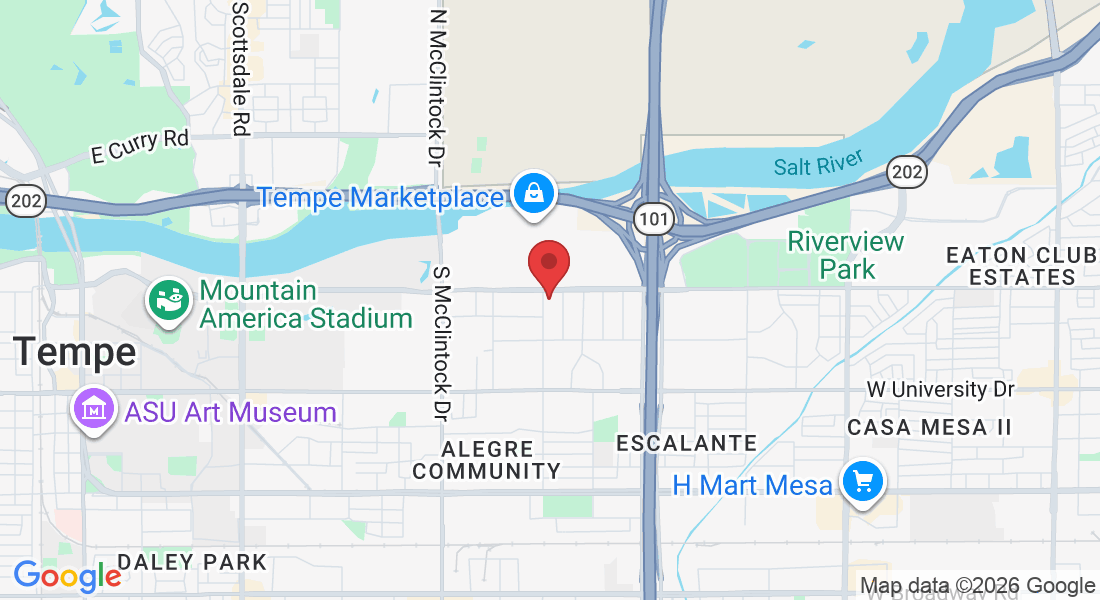
Just south of Tempe Marketplace
at the Junction of the 101 & 202 Freeways

© Copyright 2026 All Rights Reserved.
Last Updated: [DATE]


